
x
C
e
d
a
r
p
r
a
g

-
Visit Our Place
345 SOMERSET ST, SUITE 102A PLAINFIELD, NJ 07060
-
Mon - Sat 9:00 - 6:00
- BOOK an APPOINTMENT
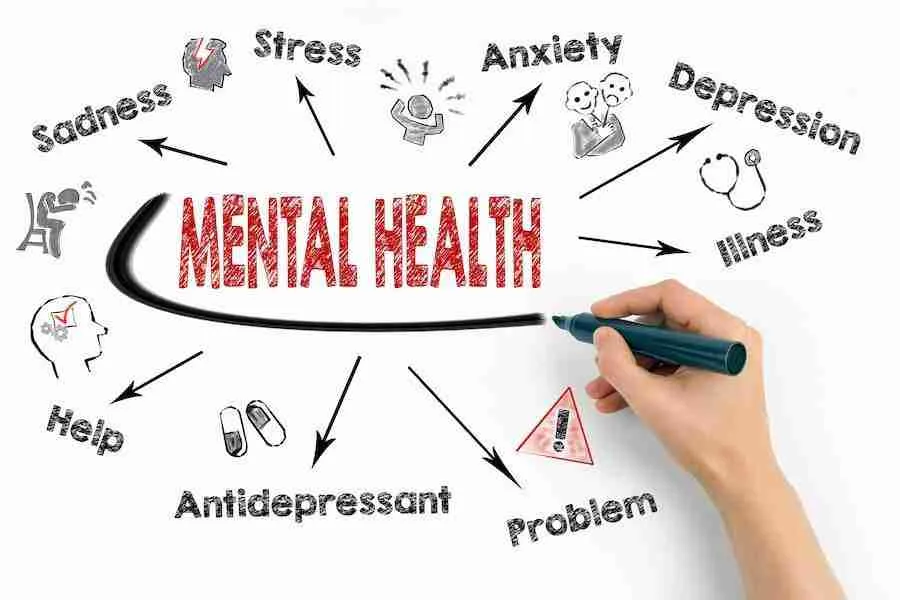
Mental health is an important part of overall well being and affects the way people think, feel, behave and handle daily life. Good mental health allows individuals to manage stress, maintain healthy can be influenced, work productively and make positive decisions. However, mental health can be influenced by many different factors, both internal and external. In today’s fast paced world, stress, lifestyle habits, emotional struggles and environmental pressures have made mental challenges more common than ever before.
Understanding the factors that affect mental health is essential because it helps people recognize unhealthy patterns and make positive changes before problems become serious. Mental health is not influenced by a single cause. Instead, it is shaped by a combination of emotional, physical, social and psychological experiences. Some factor may improve mental well-being, while others may negatively impact emotional balance and overall quality of life.
Stress and Daily Pressure
Stress is one of the biggest factors that affects mental health. Modern lifestyle often involves work pressure, financial responsibilities, family problems, academic stress and social expectations. When stress continues for a long time without proper management, it can lead to anxiety emotional exhaustion, mood swings and even depression.
Short term stress can sometimes motivate people to perform better, but chronic stress has harmful effects on both the mind and body. People who constantly feel overwhelmed may struggle with concentration, sleep problems, irritability and emotional instability. Long term stress can also weaken physical health and increase the risk of serious mental health conditions.
Learning healthy ways to manage stress is extremely important for emotional well being. Activities such as exercise, meditation, relaxation techniques, proper sleep and talking to supportive people can help reduce levels and improve mental balance.
Poor Sleep Habits
Sleep plays a major role in maintaining mental health. During sleep, the brain and body recover from daily stress and restore energy levels. Poor sleep habits can negatively affect mood, concentration, emotional control and overall mental wellness.
People who do not get enough quality sleep often experience fatigue, irritability, anxiety, and difficulty focusing. Lack of sleep can also increase stress hormones in the body, making emotional problems more difficult to manage. Overtime, poor sleep patterns may to manage. Over time, poor sleep patterns may contribute to depression and other mental health disorder.
Modern lifestyles have made sleep problems increasingly common. Excessive screen time, late night work, unhealthy routines and stress often interfere with healthy sleep patterns. Creating a consistent bedtime routine and reducing distractions before sleep can help improve both mental and physical health.
Unhealthy Lifestyle and Poor Nutrition
The food people eat directly affects brain function and emotional health. A poor diet filled with processed foods, sugar, unhealthy facts and excessive caffeine can negatively impact mood and energy levels. The brain requires proper nutrients to function effectively and unhealthy eating habits may contribute to stress, anxiety and emotional imbalance.
Healthy nutrition supports brain health and emotional stability. Food rich in vitamins, minerals, healthy fats and antioxidants can improve concentration, mood and overall well-being. Drinking enough water is also Drinking enough water is also important because dehydration may affect energy levels and mental focus.
Physical activity also plays a major role in mental wellness. Exercise improves blood circulation, reduces stress hormones And releases endorphins that naturally improve mood. Even simple activities such as walking, yoga or stretching can positively affect mental health and emotional balance.
Social Isolation and Loneliness
Humans naturally need social connection and emotional support. Healthy relationships provide comfort, understanding and emotional stability. However, loneliness and social isolation can negatively affect mental health and increase feelings of sadness, anxiety and hopelessness.
Peoplewho feel disconnected from family, friend or society may struggle with low self esteem and emotional distress. Social isolation can become even more harmful when combined with stress, depression or personal difficulties. In modern society, technology and social media have increased communication in some ways but also reduce meaningful personal interaction for many individuals.
Building healthy relationships and maintaining supportive social connections are important for emotional well being. Spending time loved ones, joining supportive communities and openly discussing feelings can improve mental health and reduce emotional stress.
Financial Problems and work Pressure
Financial stress is another major factor that affects mental health. Worries about bills, debt, job insecurity and financial responsibilities can create ongoing anxiety and emotional pressure. People facing financial difficulties often experience stress, fear frustration and feelings of helplessness.
Work related pressure can also negatively impact mental wellness. Long working hours, toxic environments, lack of work life balance and unrealistic expectations may lead to burnout and emotional exhaustion. Many individuals struggle to balance career responsibilities with personal life, which increases stress levels and affect emotional health.
Maintaining healthy boundaries, managing time effectively and seeking emotional support can help reduce work related stress. Mental wellness should always remain a priority alongside professional success.
Trauma and Negative Life Experiences
Traumatic experiences can deeply affect emotional and psychological well being. Events such as abuse, loss of loved ones, accidents, violence, bullying or childhood
Neglect may leave long lasting emotional effects. Trauma can affect self confidence, trust, emotional stability and relationships.
People who experiencestrauma may struggle with anxiety, fear, depression or post traumatic stress symptoms. Some individuals may avSome individuals may avoid discussing painful experiences , which can make emotional healing more difficult. Professional support and therapy often play an important role in helping people process trauma and recover emotionally.
Healing from trauma takes time and patience. Supportive relationships, counseling, self care and healthy coping strategies can help individuals regain emotional balance and improve mental health.
Social Media and Digital Overload
Technology and social media have become part of everyday life, but excessive use can negatively affect mental wellness. Constant comparison with others, exposure to unrealistic lifestyles, online negativity and digital addiction can increase anxiety and low self esteem.
Many people spend hours scrolling through social media platforms, which may lead to feelings of insecurity or emotional dissatisfaction. Negative online experiences such as cyberbullying and social pressure can also harm mental health, especially among teenagers and young adults.
Limiting screen time and maintaining healthy digital habits are important for emotional balance. Taking breaks from social media, spending time outdoors and focusing on real life connections can help improve mental well being.
Lack of Emotional Support
Emotional support is essential for maintaining good mental health. People who feel unheard, unsupported or emotionally neglected may struggle with stress, sadness and emotional instability. Family support, friendships and professional counselling can help individuals cope with difficult situations more effectively.
Many people hesitate to seek help because of stigma or fear of judgment. However, discussing emotional struggles with trusted individuals or mental health professionals can provide relief and support during difficult times.
Mental health should be treated with the same importance as physical health. Seeking help is not a sign of weakness but a positive step toward healing and emotional well being.
The Importance of Professional Mental Health Care
Sometimes emotional struggles become too overwhelming to manage alone. Professional mental health care can help individuals understand their emotions, develop healthy coping strategies and improve overall quality of life. Counselling therapy and mental health support services provide safe environments where individuals can openly discuss their concerns without fear of judgment.
Mental health professionals help people manage anxiety, depression, stress, trauma, emotional-burnout and relationship problems. Early support often prevents emotional issues from becoming more serious in the future. Mental wellness clinics and therapy centres play an important role in helping individuals regain confidence, emotional balance and peace of mind
Conclusion
Many different factors can affect mental health, including stress, poor sleep, unhealthy lifestyles, financial pressure, loneliness, trauma and lack of emotional support. Modern life has created new emotional challenges that make mental wellness more important than ever before. Understanding these factors allows people to recognize harmful patterns and take positive steps toward emotional well being.
Good mental health requires balance, healthy habits, supportive relationships and proper self care. Small lifestyle changes such as improving sleep, exercising regularly, reducing stress, eating healthier foods and seeking emotional support can make a significant difference over time.
If you or someone you care about is struggling with stress, anxiety, depression or emotional challenges, professional support can help improve mental wellness and quality of life. Visit CedarPrag Clinicto learn more about compassionatemental health care and personalized support services designed to help you achieve emotional balance and long term wellness.

